
Written by Mohammad Hamid | Detroit | Michigan
Over time, I’ve noticed a handful of common approaches and styles in the game of squash. From those patterns I developed four “strategy modules” that I turn to when fatigue or frustration start to take hold.
A few months ago I found myself in a club match that went the distance. In the fifth game I was down 8–10, my legs felt like concrete and my shots were uncharacteristically off target. Instead of rushing or trying to muscle through, I took a deep breath and asked myself which module fit this opponent’s style. That brief pause gave me the clarity to make small adjustments and win 12–10. It was a humble reminder that a simple framework can steady you when everything else feels shaky.
I call the first module the power baseliner approach. Imagine facing Nouran Gohar or John White hitting thunderous drives into the back corners. Early in my squash journey I tried to match that power and ended up running myself into the ground. Now I deliberately mix in mid-court holds about thirty percent of the time. By inviting them forward, I disrupt their rhythm without surrendering easy points. When they step in expecting a standard hold, a well-placed drop can feel almost unfair, as if you’ve asked a heavyweight boxer to perform a ballet move.
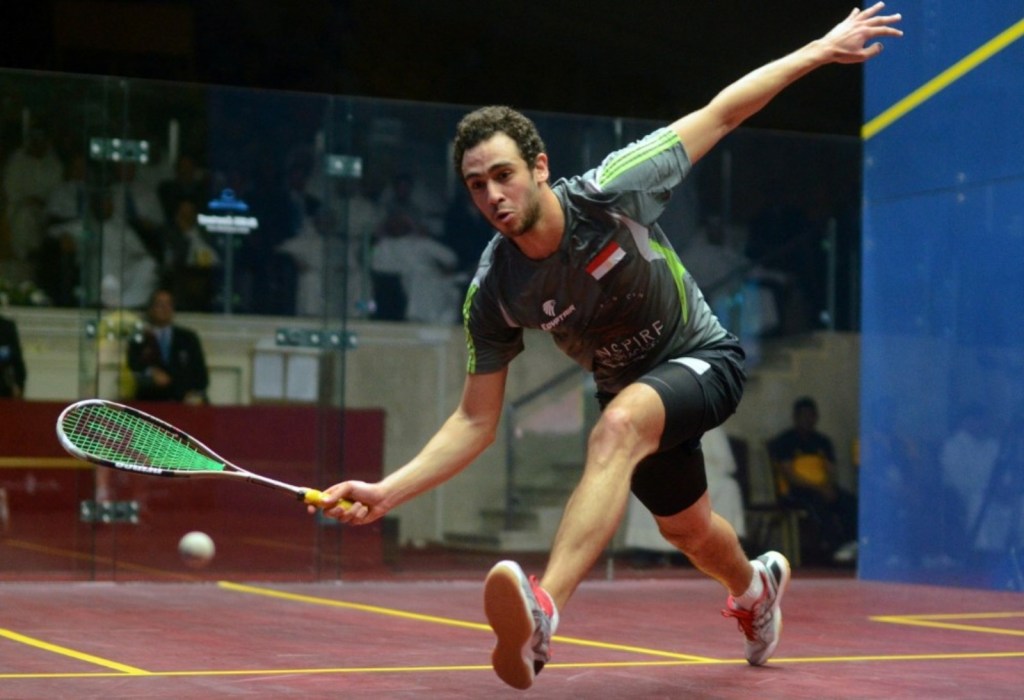
The second module grew out of matchups with players whose greatest weapon is deception, much like Ramy Ashour or Amr Shabana. They live for phantom drops and wrist-flick drives that make you question your own eyes. Against these masters of disguise I stick to deep length on roughly eighty-five percent of my shots. That consistent depth denies them the space they need to choreograph their next trick. Every so often I slip in a precise boast to remind them I’m not defenseless, but I resist the urge to try and out-flash their flair.
The third module is what I call the nick hunter counter. Some opponents have a sixth sense for finding the tiniest window to hit that perfect tin-kiss, as if they were Mostafa Asal or Youssef Ibrahim foraging for truffles. To blunt that advantage I raise the ceiling with high lobs about thirty percent of the time. Those floating balls force them to chase back and interrupt their nick-seeking groove. I dial down my low drives to around forty percent so they cannot tee off on every return. Then I crank up my boast frequency to thirty percent, jamming the front court so they have to earn each point. Slowing the rally turns the match into a contest of patience rather than a frantic dash.
The fourth module helps me handle the T-dominating retriever, the player with court coverage reminiscent of Ali Farag or Diego Elías. These opponents seem to have suction cups on their shoes and scramble back to the T before you can even celebrate. My response is to split my placement evenly between deep drives and mid-court serves or holds. After each mid-court ball I follow up with a quick boast to yank them off their sweet spot. I also alternate powerful drives with gentle touches, much like sprinting full tilt before immediately slipping into a yoga stretch. That unpredictability prevents them from settling into a predictable pattern.
None of these modules is a magic formula or a guaranteed ticket to victory. I see them more as starting points that I refine match by match, depending on the person across the net and the rhythm of the game. I keep a running list of what worked, and sometimes I even jot quick notes between games on my phone. When my legs are leaden and my concentration wavers, returning to these simple tweaks gives me something reliable to cling to beyond raw energy.
So next time you find yourself chasing down every ball and feeling stuck, take a moment to identify your opponent’s style. Are you facing a power baseliner, a deceptive shot-maker, a nick hunter, or a relentless retriever? Choose the module that fits, trust your instincts, and notice how a few thoughtful adjustments can shift the momentum. After all, squash is as much a mental challenge as a physical one, and sometimes the smallest change in strategy can make all the difference.
 RacquetPrep - Squash Blog
Leave a comment